When you’re curating office hampers, the last thing you want is a surprise “I can’t eat that” from a colleague. It’s easy to forget that a team’s pantry is a mosaic of preferences, allergies, and ethical choices. This guide walks you through the steps to make sure every hamper feels like a personal thank‑you card—no matter what the dietary puzzle looks like.
Understanding the Challenge
Common Dietary Restrictions
Even the most well‑meaning hamper can fall flat if it doesn’t account for common restrictions. Think of these as the “big three” that often pop up in the office:
- Gluten‑free – wheat, barley, rye, and oats (unless labeled gluten‑free) Lactose‑free – dairy products, whey, casein Nut‑free – tree nuts, peanuts, almond‑based items
…and then there are the nuanced ones: soy‑free, shellfish‑free, egg‑free, and vegan. An employee’s personal preference can be as diverse as a rainbow; a single mislabeled https://www.scribd.com/document/938098861/The-Ultimate-Guide-to-the-Christmas-Hamper-2025-with-Artisanal-Bread-207022 jar can turn a celebratory hamper into a culinary disaster.
Why It Matters
It’s not just about avoiding a stomach upset. Inclusion in the workplace extends to food choices. When employees see that their needs are considered, trust and morale rise. As one HR veteran puts it, “Food is a universal language—if you’re not speaking it, you’re missing a conversation.”
Planning the Hampers
Choosing Inclusive Ingredients
Start by building a base that everyone can enjoy. Think of your hamper like a well‑tuned orchestra: each section must harmonize.

- Dry goods – unsalted nuts (if your policy allows), plain rice cakes, oat bars (labeled gluten‑free) Snacks – dark chocolate (70% cacao or higher), dairy‑free yogurt, fruit‑based gummies Beverages – herbal teas, sparkling water, dairy‑free milk alternatives
If you’re unsure about a particular item, lean on the “label first” rule: look for certifications (e.g., Certified Gluten‑Free, Vegan, Non‑GMO).
Labeling and Communication
Clear labeling is the secret sauce. A simple “Allergy‑Friendly” tag on each hamper can pre‑empt confusion. In addition:
- Attach a note that says, “Please check the ingredients for any allergens.” Provide a QR code linking to a full ingredient list or a company policy page on dietary accommodations.
This transparency turns a hamper into a safety net rather than a gamble.
Execution and Logistics
Sourcing from Diverse Suppliers
Working with suppliers who specialize in allergen‑free products can streamline the process. Ask for:
- Batch certificates that prove no cross‑contamination Allergen disclosure statements for each product Bulk discounts that don’t compromise quality
If your budget allows, consider a local food co‑op that offers a rotating selection of seasonal, organic, and allergen‑free items.
Packaging and Presentation
Presentation matters—especially when you’re juggling dietary constraints. Use clear, resealable bags and include a small card that lists the ingredients. A playful touch could be a “Taste‑Adventure” theme: each hamper contains a small note like “Try this: a bite of gluten‑free bliss!”
Anecdote: Last year, a manager named Jenna sent out hampers that included a chocolate bar labeled “gluten‑free.” A vegan employee, Sarah, responded with a thumbs‑up emoji and a note: “Nice try, but I’m allergic to dairy.” The team laughed, but the incident sparked a company-wide review of labeling practices.
Post‑Distribution Follow‑Up
Gathering Feedback
After the hampers have been opened, send out a short survey. Questions could include:
- “Did the hamper meet your dietary needs?” “Was the labeling clear?” “What would you add or remove?”
Feedback loops help fine‑tune future hampers and reinforce a culture of continuous improvement.
Continuous Improvement
Use the data to adjust your sourcing strategy. If a particular item receives a negative comment, look for an alternative. If an employee praises a new snack, consider making it a staple. Remember, the goal is to create a hamper that feels like a personal thank‑you, not a one‑size‑fits‑all box.
The Sweet Spot for Everyone
In the end, the art of crafting hampers for a diverse workforce is a balancing act—much like a chef juggling flavors. By acknowledging common dietary restrictions, selecting inclusive ingredients, and communicating transparently, you create a gift that’s both thoughtful and safe.
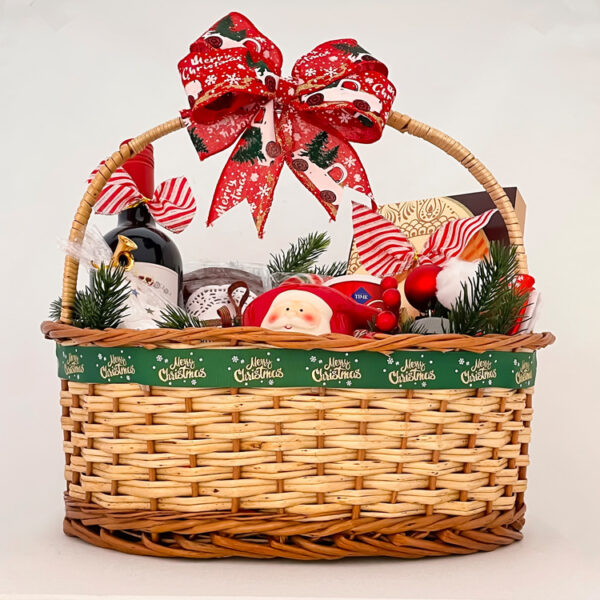
Your next hamper could be the highlight of the office holiday season, the surprise in a mid‑year thank‑you, or a gesture of appreciation after a project milestone. Whatever the occasion, remember: “Variety is the spice of life,” and a well‑planned hamper is the seasoning that brings everyone together.
Take the first step today—review Luxury hampers your current hamper list, identify potential allergens, and reach out to suppliers who can help you build an inclusive, delicious package that everyone can enjoy. Happy gifting!